4 Interview Insights That Showcase Adaptability When Transitioning from Military to Civilian Work Culture
Transitioning from military service to civilian work requires more than updating a resume—it demands a strategic approach to showcasing adaptability. This article presents four practical insights from career experts who specialize in helping veterans bridge the gap between military protocols and corporate culture. These proven strategies demonstrate how service members can effectively communicate their unique value to civilian employers.
- Translate Service Expertise Into Employer Value
- Turn Protocols Into Flexible Solar Routing
- Apply Operational Discipline in New Environments
- Leverage Tactical Resilience for Corporate Agility
Translate Service Expertise Into Employer Value
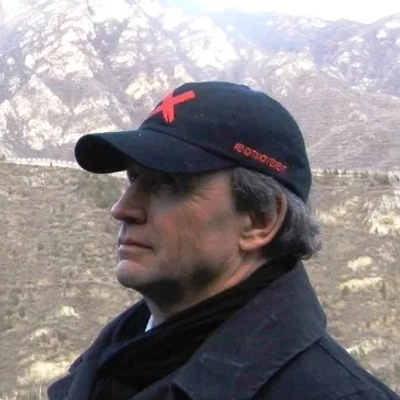
Having run USMilitary.com since 2007 to help service members navigate military career paths and civilian transitions, I have seen exactly how veterans successfully communicate their value to private employers.
In interviews, I framed my service around transferable skills like leadership, teamwork, and technical specialization rather than branch-specific jargon. I mapped specific military occupational duties–such as managing communications or technical systems–directly to private-sector job requirements using clear, structured examples.
The core insight I offered on adaptability was the proven ability to change gears instantly when circumstances shift. From the tactical mindset of elite operators, I demonstrated that I could rapidly pivot from high-speed execution to a careful, methodical pace without losing operational focus.
Turn Protocols Into Flexible Solar Routing
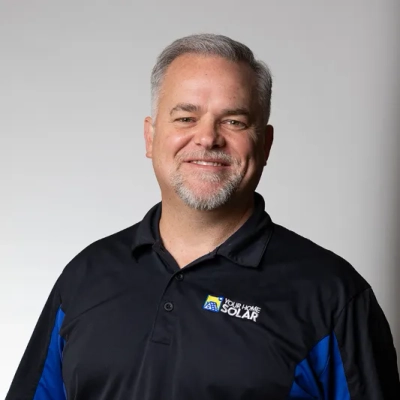
In the interview I described shifting from nuclear weapons protocols on submarines straight into high school classrooms. Both demanded instant accountability, but the setting flipped from zero-tolerance checklists to guiding teenagers through open-ended choices.
The insight that showed adaptability was how I took the same Quality Assurance Inspector mindset and built a scheduling matrix that dispatched crews for a multimillion-dollar solar operation. It turned rigid military process into flexible daily routing that kept installs moving without bottlenecks.
That single example proved I could carry forward structure while loosening it for civilian teams that needed room to solve problems on site.
Apply Operational Discipline in New Environments
I stressed in my presentation that I have an operational, structured (military) background which will serve as a strength when I transition into the civilian work force. Examples were provided in the presentation to demonstrate how my “Operational Discipline” would allow me to perform daily tasks on time, consistently. Additionally, it was noted in the presentation that Military Teams are capable of functioning in constantly changing situations and under extreme stress.
In addition to my experience leading Cross Functional Teams in Unfamiliar Environments, my ability to operate in un-familiar environments using the tools that you provide and utilize my Core Problem Solving Framework to accomplish your objectives was discussed. My flexibility allows me to quickly evaluate a situation, effectively communicate and continually learn/grow in any environment.

Leverage Tactical Resilience for Corporate Agility
My core training in communication, teamwork and high pressure execution in the military is relevant to a corporate environment. I refer to this as operational flexibility. Operational flexibility is the ability to execute a constantly changing mission. In commercial terms this means fast and flexible learning of commercial tools in order to apply them. My experience of using tactical resilience in order to succeed in a constantly changing environment is relevant to a corporate world that is seeking to achieve business success through being agile.