

8 Strategies to Adapt Military Directness to Civilian Interview Norms
Military directness can be a strength in civilian interviews—but only when it fits the conversation. This article shares expert insights on matching tone, connecting technical work to business results, and replacing orders with open dialogue. These practical strategies can help candidates communicate with clarity while building stronger connections.
- Match Their Conversational Tone
- Explain Technical Work Through Business Results
- Choose Open Dialogue Over Orders
- Translate Rank Into Relevant Impact
- Ground Decisions in Clear Facts
- Weigh Options Before You Decide
- Support Conclusions With Evidence
- Welcome Team Perspectives
Match Their Conversational Tone
In a brokerage interview, I stopped myself from giving orders and told a story about a tough negotiation instead. I noticed the interviewers were more conversational, so I matched their tone and made sure to acknowledge their views before offering my own. Honestly, just mirroring their casual style and framing things as a team effort helped me connect way better than my usual approach.

Explain Technical Work Through Business Results
I was in a CISO interview and realized my usual tech-speak wasn’t landing. I switched to talking about business results, explaining exactly how we lowered breach risk and spelling out every acronym. We’ve been talking like this for a year now, and conversations with our team and clients are just easier. People actually get it.
Choose Open Dialogue Over Orders
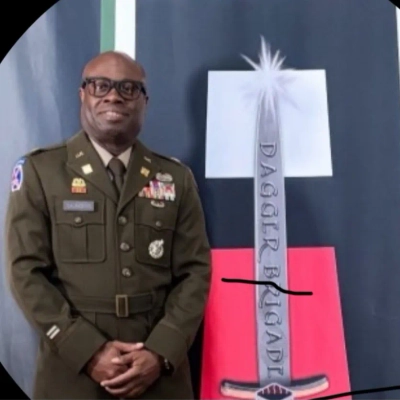
During my career change (transitioning from military into corporate) my team mates did not believe how direct/straight forward I would be with my communication. Using open/honest communications and active listening I replaced using “orders” for “understanding.”
I expressed during every interview I have ever attended, this is one example of how I have applied what I have learned while in the Military so I could successfully communicate as a Civilian Leader.
I have given many examples of times where I have practiced active listening and communicated in a patient manner.

Translate Rank Into Relevant Impact
This helps the interviewer understand transferable skills without needing knowledge of rank structure. It also keeps attention on responsibility and impact rather than authority alone. Translate each rank-based example into a clear description of your role and results.
Ground Decisions in Clear Facts
A clear example can show how quick action protected time, quality, or team goals. The interviewer can then see decisiveness as a useful problem-solving skill. Describe your next decision by linking it to the facts that guided it.
Weigh Options Before You Decide
It also makes direct communication sound practical instead of fixed or rigid. A candidate can still state a strong recommendation while showing openness to a better option. Practice explaining how different approaches were weighed before a final direction was chosen.
Support Conclusions With Evidence
It can also make a candidate appear calm and fair when discussing difficult choices. Evidence gives others a clear way to understand and assess the decision. Support your next conclusion with one specific fact or example.
Welcome Team Perspectives
This shows respect for teamwork while preserving accountability for results. It also reassures civilian employers that direct communication will not silence coworkers. Use an example that shows how listening improved the final outcome.